Global Climate Accord: Nations Grapple with Emissions Targets Amidst Critical Deadlines
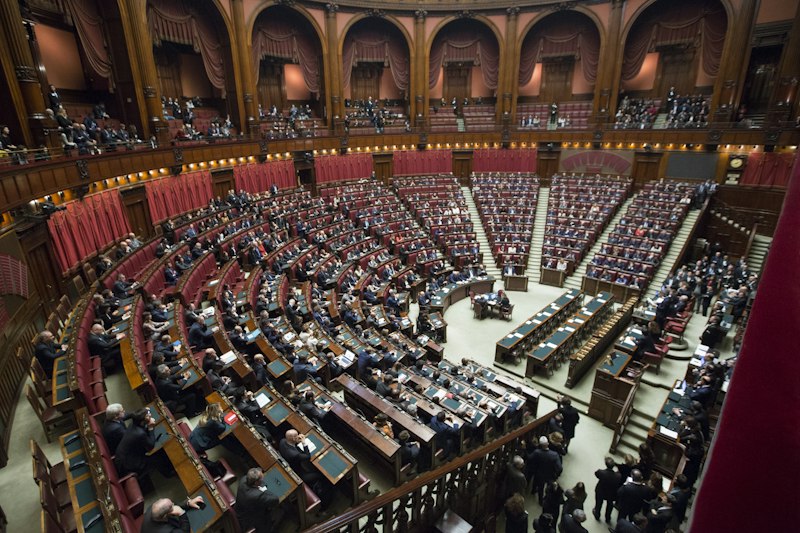
GENEVA, SWITZERLAND – As the summer approaches, the global community finds itself at a critical juncture in the fight against climate change. Nations are currently engaged in intense re-negotiations for the next iteration of the global climate accord, aiming to set ambitious new emissions targets and solidify financial commitments. However, progress has been slow, with key players struggling to bridge significant gaps, raising concerns about the future of international climate cooperation and the world's ability to achieve carbon neutrality.
The current round of talks, often seen as a precursor to the pivotal COP31 summit, is focusing on updating Nationally Determined Contributions (NDCs) – each country's pledge to reduce national emissions and adapt to the impacts of climate change. Many developing nations are pushing for more robust financial support from industrialized countries, arguing that historical emissions and current economic disparities necessitate greater assistance for their green transitions and climate resilience efforts. Conversely, some developed nations express concerns about the economic feasibility of drastically accelerated decarbonization timelines and the equitable distribution of financial burdens.
The Sticking Points: Ambition, Equity, and Finance
The primary sticking points revolve around three core areas: the ambition of new emissions targets, the principle of common but differentiated responsibilities and respective capabilities (CBDR-RC), and the scale of climate finance. Developing countries, particularly those most vulnerable to global warming, are advocating for stricter emissions reductions from major polluters and a significant increase in the Green Climate Fund, which aims to help developing countries with adaptation and mitigation practices. They argue that current pledges fall far short of the 1.5-degree Celsius warming limit set by the Paris Agreement.
On the other hand, some major economies are hesitant to commit to overly aggressive targets without clear pathways for economic growth and technological innovation. They emphasize the need for a balanced approach that considers national circumstances and economic stability. "We are committed to our climate goals, but these must be achievable and sustainable for our economies and our citizens," stated a delegate from a prominent industrial nation during a recent closed-door session. The intricate dance between environmental imperative and economic reality continues to define these complex negotiations.
Implications for COP31 and Beyond
The outcomes of these preliminary negotiations will heavily influence the agenda and potential success of COP31, slated for next year. A failure to reach consensus on key issues before then could lead to a less ambitious final accord, jeopardizing the collective effort to combat global warming. Experts from the United Nations Framework Convention on Climate Change (UNFCCC) have repeatedly stressed the urgency of the situation, highlighting that every fraction of a degree of warming avoided can prevent catastrophic impacts. For more detailed information on the ongoing climate negotiations, visit the official UNFCCC website.
The current impasse underscores the immense challenge of coordinating global action on an issue as pervasive as climate change. While the commitment to a carbon-neutral future remains a shared goal, the path to achieving it is fraught with political, economic, and social complexities. The coming months will be crucial in determining whether nations can overcome their differences and forge a united front against the escalating climate crisis, or if the world will continue to drift further from its critical climate objectives.
For more information, visit the official website.