The Unofficial Starting Gun: 2028 Race Begins
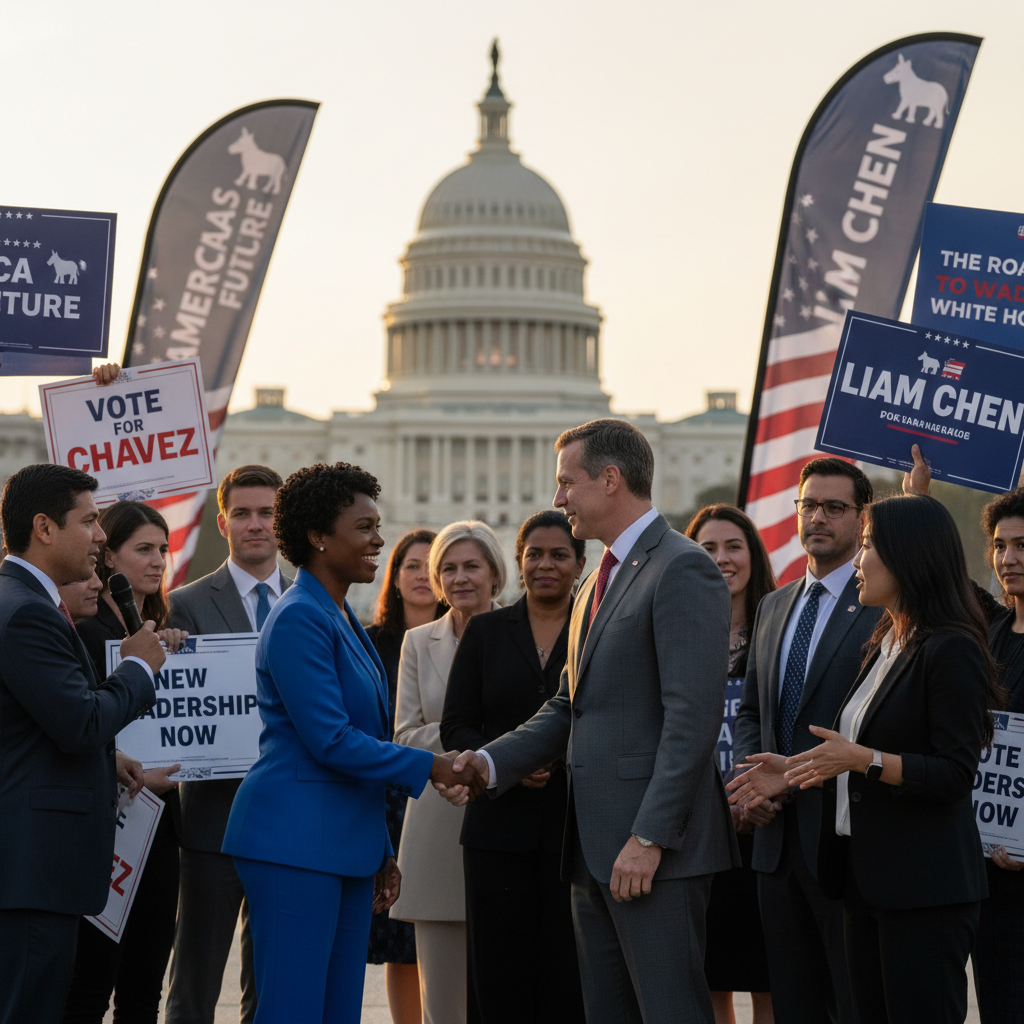
The 2028 U.S. Presidential Election may seem distant, but for many ambitious politicians, the race has already begun. Across the political spectrum, high-profile figures are making strategic moves, signaling their intentions to vie for their party's nomination. This early jockeying involves a delicate dance of public appearances, policy pronouncements, and, crucially, the quiet but intense work of building campaign infrastructure and amassing financial resources.
Historically, the period following a midterm election often serves as an unofficial launchpad for the next presidential cycle. This time is no different, with a flurry of activity suggesting that the field for both the Democratic and Republican primaries could be crowded and fiercely contested. Political strategists are already analyzing early poll numbers, assessing potential candidate strengths, and identifying key battleground issues that will likely dominate the discourse.
Fundraising and Exploratory Committees: The First Steps
One of the most significant indicators of serious presidential ambition is the formation of an exploratory committee. These committees allow potential candidates to raise and spend money to determine the feasibility of a presidential run without formally declaring their candidacy. This legal maneuver provides a crucial testing ground, enabling them to gauge donor interest, recruit staff, and conduct preliminary polling.
Reports from the Federal Election Commission (FEC) indicate a surge in such filings, with several prominent governors, senators, and even some business leaders establishing these initial campaign vehicles. Fundraising, in particular, is proving to be a critical early hurdle. Candidates are crisscrossing the country, attending high-dollar events, and leveraging their networks to secure early commitments from major donors. The ability to demonstrate a robust financial footing early on can be a powerful deterrent to potential rivals and a sign of a campaign's viability. As detailed by organizations like the Center for Responsive Politics, campaign finance data offers an invaluable look into the health and connections of these nascent campaigns. For more detailed insights into campaign finance, visit OpenSecrets.org.
Policy Platforms and Public Positioning
Beyond fundraising, potential candidates are also beginning to refine their policy platforms and articulate their vision for the country. This involves strategically engaging with key interest groups, delivering speeches on pressing national issues, and carefully crafting their public image. For Democrats, discussions around economic inequality, climate change, and healthcare reform are taking center stage, while Republicans are focusing on issues such as border security, national debt, and cultural conservatism.
Early debates, even informal ones, are expected to emerge as candidates test their messages and differentiate themselves from the growing field. These initial skirmishes often help shape the narrative for the coming years, setting the tone for what promises to be a protracted and intense political battle. The media, ever watchful, is already dissecting every speech, every tweet, and every public appearance for clues about who might emerge as the frontrunners.
The Road Ahead: A Long and Winding Path
The road to the 2028 presidential nominations is long and fraught with challenges. Candidates must navigate shifting political tides, respond to unforeseen events, and maintain momentum over several years. The early stages, marked by exploratory committees and fundraising drives, are merely the prologue to what will undoubtedly be a captivating and consequential election cycle. As the field solidifies and the first official announcements draw closer, the intensity of the 2028 presidential race will only continue to escalate, promising a dynamic period in American politics.
For more information, visit the official website.