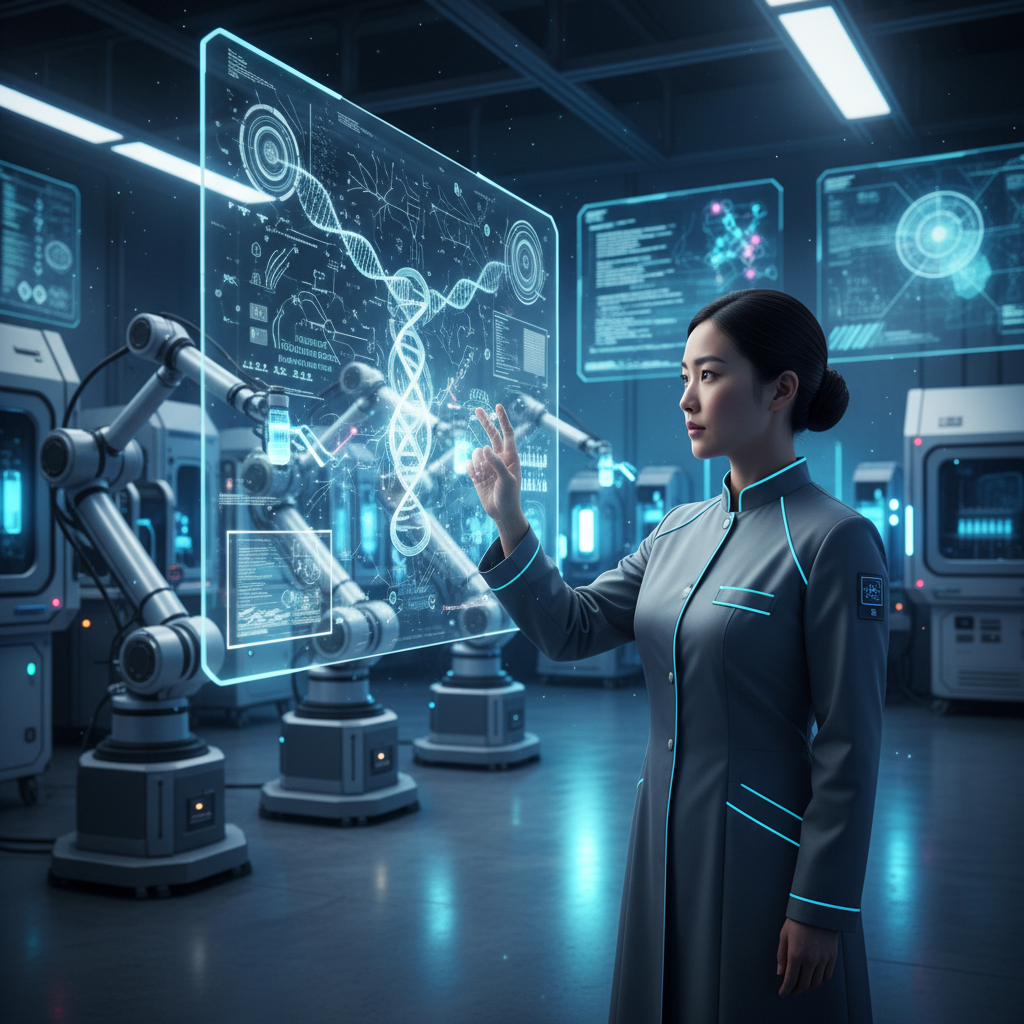
The Dawn of AI-Powered Drug Development
The pharmaceutical industry is on the cusp of a profound transformation, driven by the rapid advancements in artificial intelligence, particularly generative AI and large language models (LLMs). These sophisticated algorithms are no longer just theoretical concepts; they are actively reshaping how new drugs are discovered, developed, and ultimately, how patients receive treatment. The traditional drug discovery pipeline, often a decade-long and multi-billion-dollar endeavor with a high failure rate, is now being supercharged by AI's ability to analyze vast datasets, predict molecular interactions, and even design entirely new chemical entities.
Historically, identifying a promising drug candidate involved extensive trial and error, synthesizing countless molecules, and testing them in laboratories. This process was not only time-consuming but also incredibly expensive. Generative AI models, however, can learn from existing chemical structures and biological data to propose novel compounds with desired properties, significantly narrowing down the search space. By simulating how molecules interact with target proteins, AI can predict efficacy and potential side effects long before a compound is ever synthesized, saving invaluable time and resources. Companies like DeepMind's AlphaFold, for instance, have made groundbreaking strides in predicting protein structures, which is fundamental to understanding disease mechanisms and designing targeted therapies. For more information on such advancements, one can refer to scientific publications and news outlets covering AI in healthcare.
Optimizing Clinical Trials and Personalizing Treatments
Beyond early-stage discovery, AI is also proving invaluable in optimizing the later, often most challenging, phases of drug development: clinical trials. LLMs can analyze patient data, medical records, and scientific literature to identify ideal patient cohorts for trials, predict patient responses to treatment, and even design more efficient trial protocols. This capability helps reduce the duration and cost of trials while increasing their success rates. By identifying subtle patterns in patient data that human researchers might miss, AI can help tailor trial designs to specific populations, ensuring that new drugs are tested on those most likely to benefit.
The ultimate promise of AI in healthcare lies in personalized medicine. The ability to analyze an individual's unique genetic makeup, lifestyle, and disease profile allows AI to recommend treatments that are precisely tailored to them. For complex diseases such as cancer, autoimmune disorders, and rare genetic conditions, this personalized approach offers a significant departure from the 'one-size-fits-all' model. AI can predict how a patient might respond to different therapies, identify optimal drug dosages, and even anticipate potential adverse reactions based on their specific biological markers. This level of precision promises not only more effective treatments but also a reduction in unnecessary side effects, fundamentally improving patient outcomes and quality of life.
Challenges and the Road Ahead
While the potential of AI in drug discovery and personalized medicine is immense, challenges remain. Data privacy and security are paramount, especially when dealing with sensitive patient information. The ethical implications of AI-driven decisions in healthcare also require careful consideration and robust regulatory frameworks. Furthermore, the 'black box' nature of some AI models, where it's difficult to understand how a decision was reached, poses a hurdle for regulatory approval and physician trust. Ensuring transparency and interpretability in AI models is an active area of research.
Despite these hurdles, the trajectory is clear: AI is not just an auxiliary tool but a core component of the future of medicine. As algorithms become more sophisticated, and access to vast, diverse datasets grows, we can expect to see an accelerated pace of innovation, leading to breakthroughs in treating diseases that were once considered incurable. The collaboration between AI experts, pharmaceutical scientists, and clinicians will be crucial in harnessing the full potential of these technologies to deliver a healthier future for all.
For more information, visit the official website.