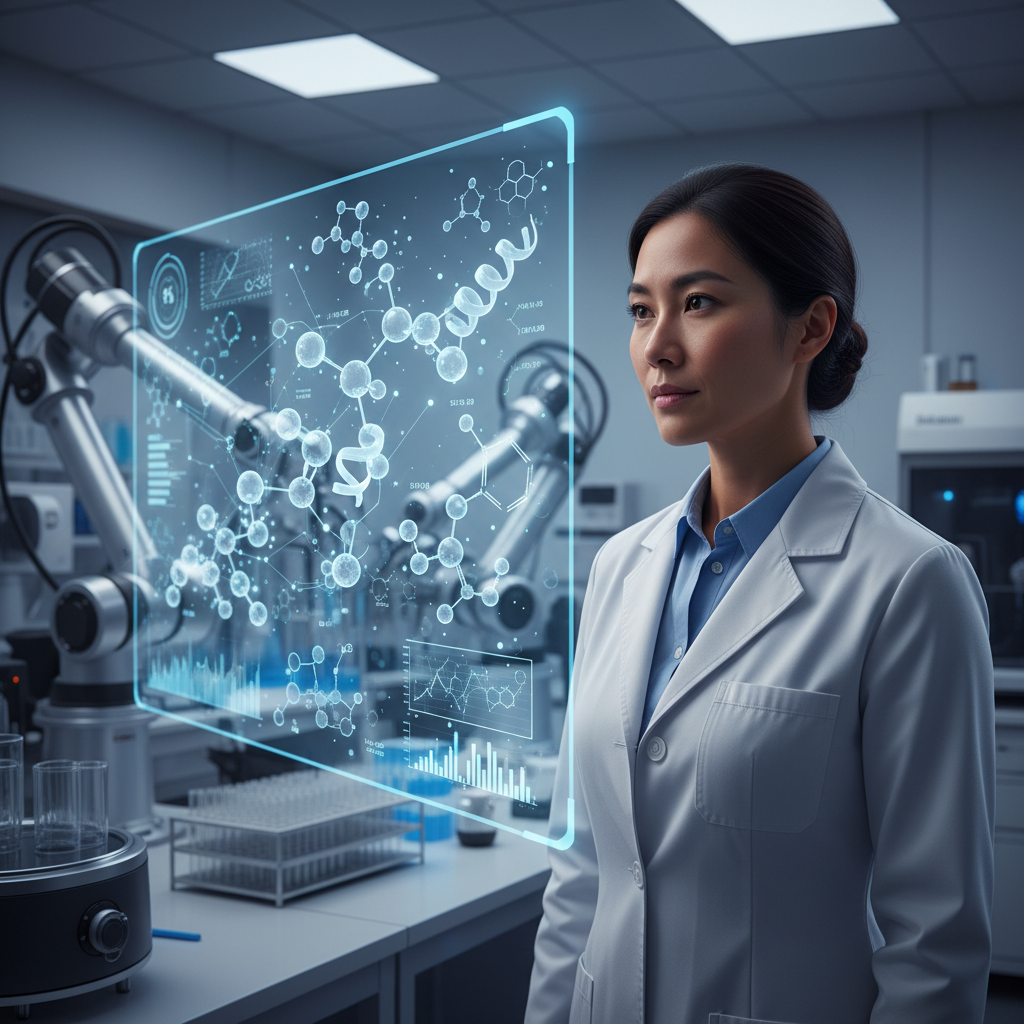
AI Revolutionizes Drug Discovery: Accelerating Cures for Cancer and Neurological Disorders
In a groundbreaking era for medical science, artificial intelligence (AI) is no longer a futuristic concept but a powerful engine driving the next generation of drug discovery. From predicting molecular interactions to optimizing clinical trial designs, AI-driven platforms are dramatically accelerating the journey from laboratory bench to patient bedside, particularly in challenging fields like oncology and neurodegenerative diseases.
The Dawn of AI-Powered Drug Design
Historically, drug discovery has been an arduous, time-consuming, and incredibly expensive endeavor, often taking over a decade and billions of dollars for a single drug to reach the market. The process involves sifting through countless compounds, identifying potential candidates, and then painstakingly testing them for efficacy and safety. AI, with its capacity to process vast datasets and identify complex patterns, is fundamentally transforming this paradigm. Machine learning algorithms can analyze genomic data, protein structures, and patient responses to pinpoint promising drug targets and design novel molecules with unprecedented precision. This capability significantly reduces the early-stage attrition rate of drug candidates, pushing more viable options into preclinical and clinical development.
Companies like Recursion Pharmaceuticals, for instance, are leveraging AI and automation to map human biology and discover new medicines. Their integrated 'Recursion Operating System' combines robotics, data science, and machine learning to generate and analyze biological data at scale, identifying potential therapeutic assets for a range of diseases. For more information on their approach, you can visit their official website.
Accelerating Clinical Trials in Oncology
One of the most promising applications of AI in medicine is its impact on oncology. Cancer, with its myriad forms and complex genetic underpinnings, has long been a formidable foe. AI is now helping researchers design more effective cancer therapies by predicting how tumors will respond to different treatments, identifying biomarkers for patient stratification, and even optimizing drug combinations. This personalized medicine approach ensures that patients receive treatments tailored to their specific genetic profile and tumor characteristics, leading to higher success rates and fewer adverse effects. Furthermore, AI is streamlining clinical trial recruitment by identifying suitable candidates more efficiently, reducing the time and cost associated with bringing new cancer drugs to market.
A New Hope for Neurodegenerative Diseases
Neurodegenerative diseases, such as Alzheimer's, Parkinson's, and ALS, represent another frontier where AI is making significant inroads. These conditions are notoriously difficult to treat due to their complex pathology and the challenges of delivering drugs across the blood-brain barrier. AI is assisting in the identification of novel therapeutic targets, predicting disease progression, and designing molecules that can more effectively penetrate the central nervous system. By analyzing vast amounts of patient data, including brain imaging, genetic markers, and cognitive assessments, AI algorithms can uncover subtle patterns that might indicate early disease onset or predict response to experimental therapies. This precision is crucial for developing drugs that can slow, halt, or even reverse the devastating effects of these disorders.
The Road Ahead: Challenges and Opportunities
While the promise of AI in drug discovery is immense, challenges remain. The quality and quantity of data available for training AI models are critical, and biases in data can lead to skewed results. Ethical considerations surrounding data privacy and algorithmic transparency also need careful navigation. However, the opportunities far outweigh these hurdles. As AI technologies continue to mature and integrate further into the pharmaceutical ecosystem, we can anticipate a future where drug development is faster, more efficient, and ultimately more successful. This new era of AI-driven personalized medicine promises to deliver life-changing treatments to patients who have long awaited effective solutions, ushering in a new age of health and longevity. The synergy between human ingenuity and artificial intelligence is poised to redefine what's possible in the quest for cures.
For more information, visit the official website.