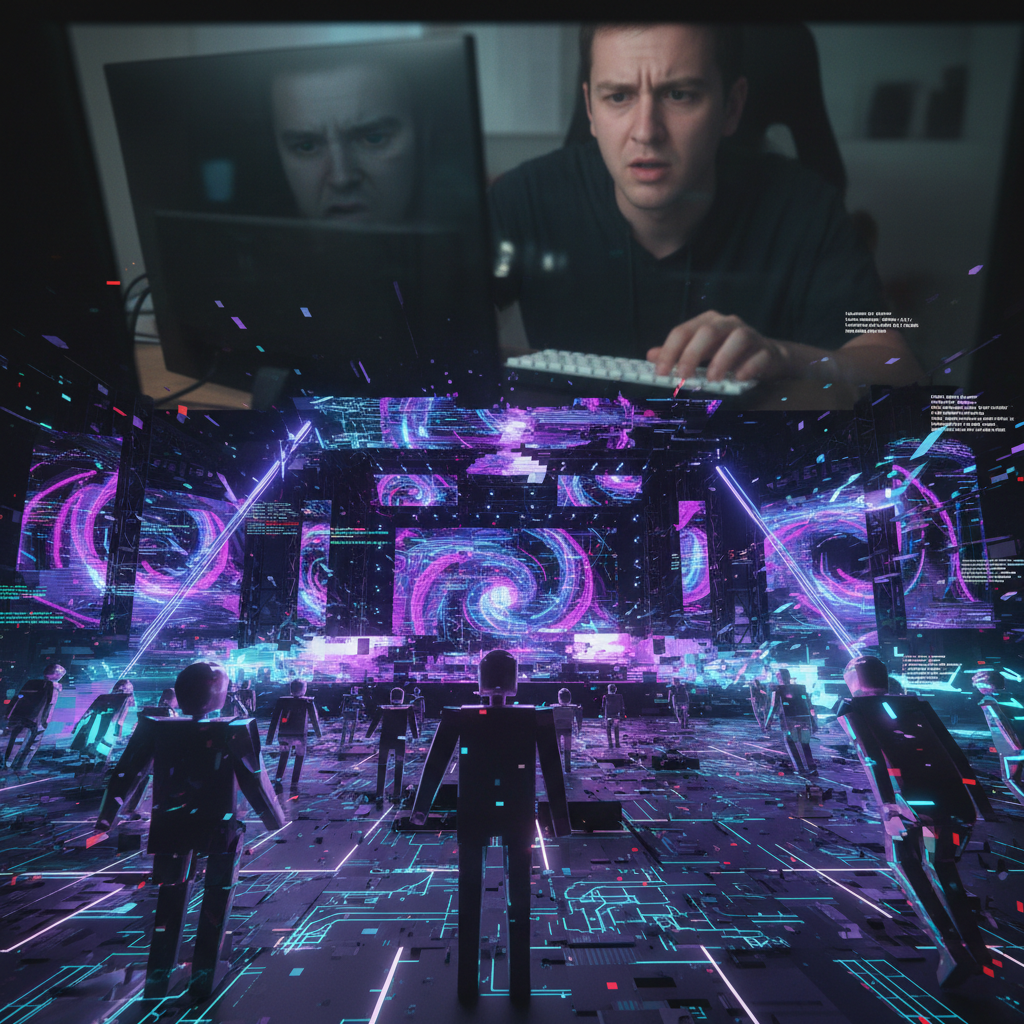
Metaverse Music Festival Plagued by Glitches, Sparks Debate on Virtual Entertainment's Future
The highly anticipated inaugural 'Metaverse Music Festival,' touted as a groundbreaking leap into the future of digital entertainment, has instead become a cautionary tale, marred by widespread technical glitches, connectivity issues, and a significant number of artist no-shows. The event, which promised an immersive, interactive experience for music fans globally, has ignited a fierce debate among industry experts regarding the true viability, ethical responsibilities, and long-term implications of large-scale virtual concerts.
From the outset, the festival, hosted across various metaverse platforms, struggled to deliver on its ambitious promises. Users reported persistent lag, avatar rendering failures, and frequent disconnections, making navigation and interaction a frustrating ordeal. Many attendees found themselves unable to access stages or even witness performances they had paid for. Adding to the chaos, several prominently advertised artists either failed to appear or experienced severe technical difficulties during their sets, leading to widespread disappointment and a torrent of complaints across social media channels. This chaotic debut has cast a long shadow over the nascent virtual concert industry, forcing a critical examination of its current capabilities and future trajectory.
The Unfulfilled Promise: Technical Hurdles and Fan Experience
The core issue, according to many observers, lies in the ambitious scope clashing with current technological limitations. While the concept of a boundless, interactive digital concert is appealing, the infrastructure required to support millions of simultaneous users with high-fidelity audio and video, alongside complex avatar interactions, proved to be beyond the current capabilities of the hosting platforms. Dr. Anya Sharma, a digital media analyst at Tech Insights Group, commented, "The metaverse is still in its infancy. Expecting it to host an event of this magnitude flawlessly was perhaps premature. The underlying network infrastructure and rendering capabilities simply aren't there yet for a truly seamless, mass-scale experience." The resulting poor fan experience has led to questions about whether the novelty of virtual attendance can truly compensate for the lack of tangible presence and reliable performance.
Ethical Quandaries: Artist Compensation and Digital Rights
Beyond the technical woes, the festival has also brought ethical considerations to the forefront, particularly concerning artist compensation and digital rights. Reports suggest that some artists who did perform faced issues with payment structures, while others who were unable to perform due to technical problems are now in dispute over their contractual obligations. The opaque nature of revenue sharing in virtual environments, coupled with the complexities of intellectual property in a digital realm where user-generated content and virtual assets are prevalent, presents a new frontier of legal and ethical challenges. "The music industry is still grappling with fair compensation in streaming; the metaverse introduces an entirely new layer of complexity," states Mark Jenkins, a music industry lawyer. "Clearer frameworks for digital rights, royalties, and performance fees are desperately needed before these events can scale ethically." This sentiment is echoed by many, highlighting the urgent need for standardized practices and robust legal protections for creators in the metaverse.
The Future of Virtual Concerts: A Crossroads
Despite the setbacks, few are ready to write off virtual concerts entirely. The potential for global reach, accessibility for those unable to attend physical events, and innovative artistic expression remains undeniable. However, experts agree that a significant recalibration is necessary. Future events will likely need to prioritize stability and a refined user experience over sheer scale, perhaps starting with smaller, more controlled virtual gatherings. Investment in robust infrastructure, clearer communication with artists and fans, and transparent financial models will be crucial for rebuilding trust. As the industry moves forward, the lessons learned from the 'Metaverse Music Festival' will undoubtedly shape the evolution of digital entertainment, pushing developers and organizers to focus on foundational quality before pursuing grand visions. For more insights into the evolving music industry landscape, resources like the Recording Industry Association of America (RIAA) offer valuable perspectives on digital trends and artist advocacy.
