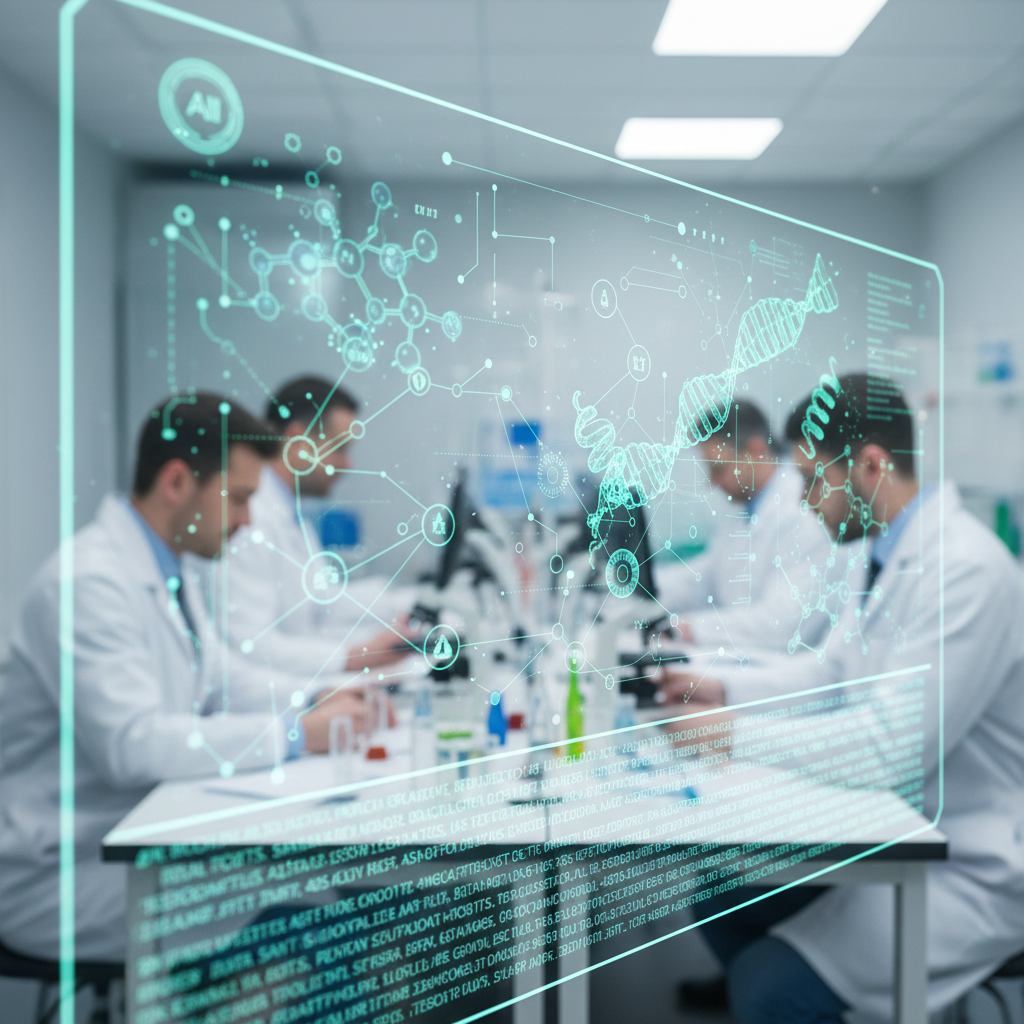
The Dawn of AI-Powered Pharmaceuticals
The pharmaceutical industry is on the cusp of a profound transformation, driven by the relentless march of artificial intelligence. Once a laborious, costly, and often serendipitous process, drug discovery is now being supercharged by AI algorithms capable of analyzing vast datasets, predicting molecular interactions, and even designing entirely new compounds. This technological leap is not merely an incremental improvement; it represents a paradigm shift, promising to deliver life-saving therapies to patients faster and more efficiently than ever before.
Traditional drug development can take over a decade and cost billions of dollars, with a high failure rate in clinical trials. AI addresses these challenges by sifting through chemical libraries, genomic data, and patient profiles with unparalleled speed and accuracy. Early clinical trial results from AI-designed drugs are beginning to emerge, showing promising efficacy, particularly in complex areas like oncology and rare diseases, where conventional approaches have struggled.
Accelerating Breakthroughs for Rare Diseases and Cancer
One of the most significant impacts of AI in drug discovery is its potential to tackle rare diseases, which collectively affect millions but often lack dedicated research due to smaller patient populations and economic viability concerns. AI platforms can identify subtle genetic markers and protein targets unique to these conditions, dramatically shortening the path from hypothesis to drug candidate. Companies like Recursion Pharmaceuticals, for instance, are leveraging AI to map billions of biological and chemical relationships, accelerating the identification of potential treatments for conditions previously deemed untreatable. For more information on their innovative approach, visit their official website at Recursion Pharmaceuticals.
In oncology, AI is proving equally transformative. By analyzing tumor genomics and patient response data, AI can predict which patients are most likely to respond to specific therapies, leading to more targeted and effective treatments. This personalized medicine approach minimizes trial-and-error, reduces adverse effects, and maximizes therapeutic benefit. The ability to quickly identify and validate drug targets is crucial, as cancer cells are notoriously adept at developing resistance.
The Promise of Personalized Medicine
The convergence of AI with advancements in genomic sequencing is fueling the rise of truly personalized medicine. Imagine a future where a patient's unique genetic makeup and disease profile dictate a bespoke treatment plan, designed by AI to maximize efficacy and minimize side effects. This vision is rapidly becoming a reality. AI algorithms can integrate data from various sources – including electronic health records, wearable devices, and genomic tests – to create a comprehensive biological blueprint for each individual.
This holistic view allows for the development of therapies tailored to an individual's specific biological pathways, moving beyond the 'one-size-fits-all' approach that has long characterized medicine. While still in its nascent stages for widespread application, early studies and pilot programs are demonstrating the immense potential of AI-driven personalized medicine to revolutionize patient care, particularly for chronic conditions and complex diseases where individual variability plays a significant role in treatment outcomes.
Challenges and the Road Ahead
Despite the immense promise, the integration of AI into drug discovery and personalized medicine is not without its challenges. Data quality and accessibility remain critical hurdles, as AI models are only as good as the data they are trained on. Ethical considerations surrounding data privacy, algorithmic bias, and the equitable distribution of these advanced therapies also require careful navigation. Regulatory frameworks will need to evolve to keep pace with the rapid technological advancements, ensuring both safety and innovation.
However, the momentum is undeniable. Investments in AI-driven biotech firms are soaring, and collaborations between tech giants and pharmaceutical companies are becoming commonplace. As AI continues to mature and its capabilities expand, we can anticipate a future where drug development is faster, more precise, and ultimately, more successful in delivering life-changing treatments to those who need them most. The era of intelligent medicine has truly begun, offering a beacon of hope for patients worldwide.
For more information, visit the official website.