The Race Begins: Early Maneuvers for 2026 Midterms
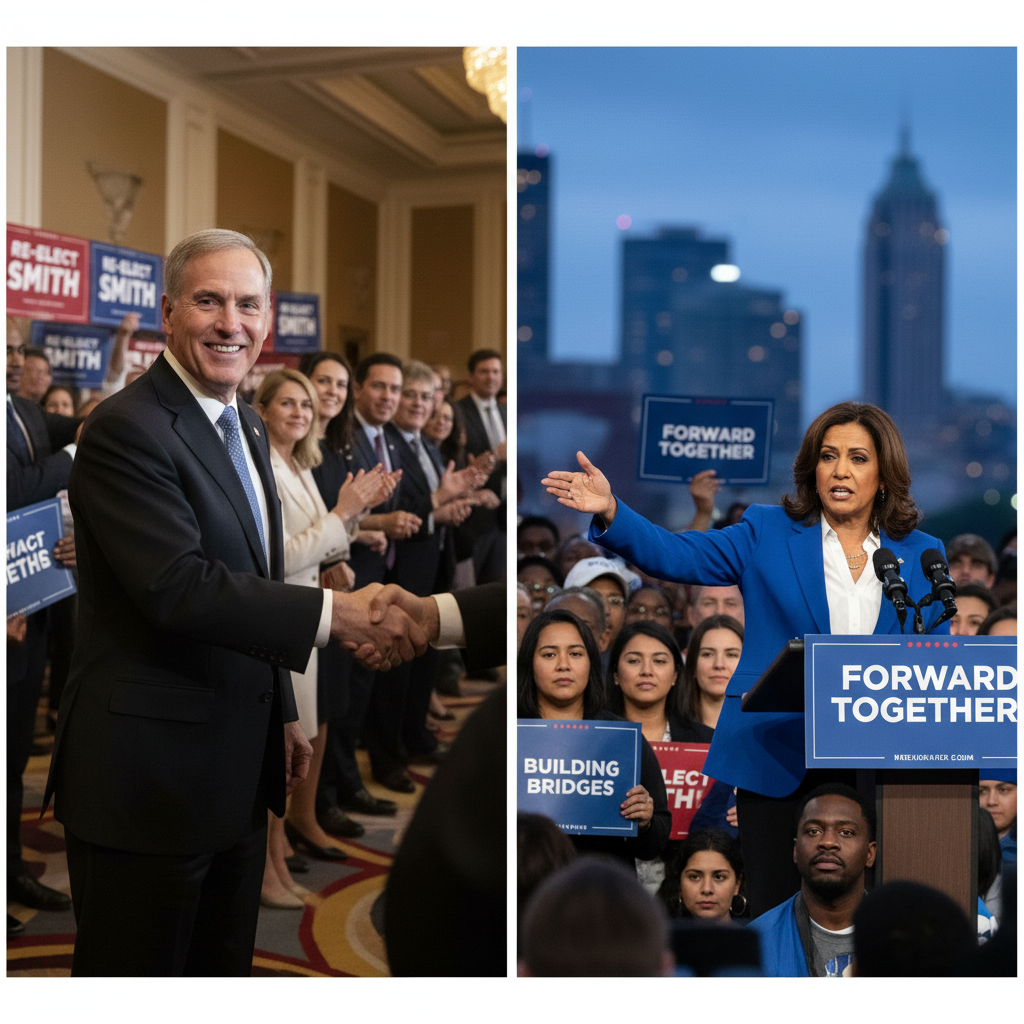
As the calendar inches closer to November 2026, the political landscape is already buzzing with early campaigning for the upcoming US midterm elections. With just under seven months until voters head to the polls, both Democratic and Republican parties are deploying resources and candidates into key battleground states, signaling an intense fight for control of Congress. The stakes are particularly high, as these midterms will undoubtedly set the tone for the 2028 presidential race and dictate the legislative agenda for the latter half of the decade.
Strategists on both sides are meticulously analyzing voter sentiment, campaign finance data, and the potential impact of recent legislative decisions. Early fundraising reports indicate a robust start for many incumbents and challengers, with significant contributions flowing into competitive districts and states. Political action committees (PACs) and super PACs are also beginning to ramp up their advertising buys, focusing on digital platforms and local media to reach targeted demographics. The financial arms race is a critical component of modern campaigning, enabling candidates to build name recognition and disseminate their messages effectively across vast and diverse electorates.
Battleground States and Legislative Impact
States like Pennsylvania, Arizona, Georgia, and Michigan are once again emerging as central battlegrounds, where the margins of victory are historically razor-thin. These states, often characterized by a mix of urban, suburban, and rural populations, are microcosms of the national political divide. Campaigns are not merely about individual candidates but also about the broader party platforms and the perceived successes or failures of the current administration and Congress. Recent legislative achievements, such as infrastructure investments or healthcare reforms, are being highlighted by one side, while the opposition critiques economic policies or social issues, attempting to sway undecided voters.
The impact of legislative decisions made in Washington D.C. is a recurring theme in early campaign messaging. For instance, debates surrounding federal spending, environmental regulations, or judicial appointments are being framed by candidates to resonate with local concerns. Voters are increasingly scrutinizing how national policies translate into tangible effects on their daily lives, from job creation to the cost of living. This localized interpretation of national politics underscores the importance of ground-level campaigning and community engagement.
Voter Turnout and Shifting Demographics
One of the perennial challenges for both parties is maximizing voter turnout, especially in midterm elections which historically see lower participation rates compared to presidential years. Campaigns are investing heavily in voter registration drives, get-out-the-vote initiatives, and sophisticated data analytics to identify and mobilize their base. Shifting demographics in many swing states also play a crucial role, with parties adapting their outreach strategies to appeal to younger voters, diverse ethnic groups, and suburban women, who often represent a pivotal swing vote.
Early polling data, though still preliminary, suggests a highly competitive environment. The political climate is characterized by deep partisan divisions, yet also by a significant bloc of independent voters who remain persuadable. As the campaigns intensify, expect a surge in candidate debates, town hall meetings, and targeted advertising designed to capture the attention and ultimately the votes of this crucial segment of the electorate. For a deeper dive into campaign finance regulations and their impact, the Federal Election Commission (FEC) website offers comprehensive resources at www.fec.gov. The next few months promise to be a whirlwind of political activity, setting the stage for a truly consequential 2026 midterm election.